
KNEE PRESERVATION
PROGRAM
Alternatives to Knee Surgery in Somerset County, NJ
Performance Ortho’s Knee Preservation Program is a proven, step-by-step non-surgical approach to helping you reduce knee pain, improve knee health, and get you back to the activities you love, without having to navigate the process on your own.
Our comprehensive program brings everything together in one place, providing a clear path forward for patients looking to delay, avoid, or determine whether knee replacement surgery is truly necessary.
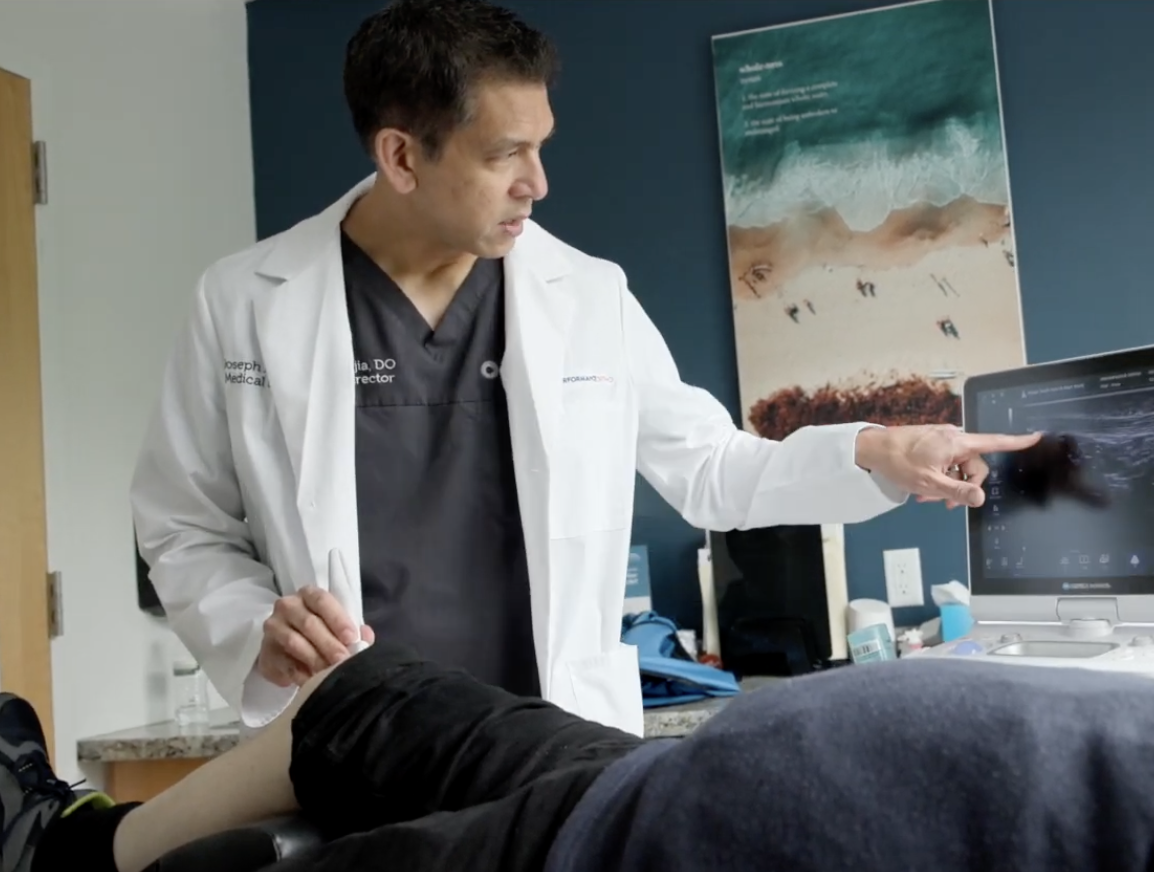
Our 3-Phase Approach
Our Knee Preservation Program integrates advanced imaging, minimally invasive procedures, and regenerative medicine to restore function while keeping your natural joint intact. It’s a comprehensive, logical pathway designed to address the root cause of knee pain, reduce symptoms, and get you back to your life.
Reduce Acute Pain
Targeted treatment to break the pain cycle, reduce inflammation, and help your body begin to heal.
Regenerate & Heal Damaged Tissue
Advanced therapies such as Stem Cell, PRP, shockwave, and other biologic treatments designed to support your body’s natural healing process at the joint level.
Restore Activity & Lifestyle
Structured physical or occupational therapy that builds on regenerative care, helping restore strength, mobility, and function once the joint has been properly prepared.
Personalized Care & Treatments
We offer a better path forward combining the latest in diagnostic accuracy, non-surgical intervention, and regenerative therapies for the knee into a personalized, patient-centered plan.
Knee Conditions We Can Help With
Our program addresses a wide range of knee injuries and conditions, from early-stage arthritis and knee pain to complex ligament damage, with the goal of preserving your natural joint. If knee pain is limiting your daily life, we want to help you understand your options.
Bone-on-Bone Arthritis
Progressive degeneration of the knee cartilage that leads to pain, stiffness, and reduced joint function.
Meniscus Tears
Tears in the medial or lateral meniscus caused by acute injury or gradual degeneration over time.
Knee Ligament Injuries
Sprains, tears, or ruptures of the MCL, LCL, ACL, or PCL – often caused by sudden trauma or twisting.
Patellar (Kneecap) Pain
Pain around the kneecap during everyday activities like walking, squatting, or climbing stairs.
Knee Bursitis
Inflammation of the bursa sacs around the knee joint, causing localized pain, tenderness, or swelling.
Runner’s Knee
Chronic pain at the front of the knee caused by overuse, trauma, or misalignment of the kneecap.
Your Knee Preservation Program Treatment Options
Your journey begins with a consultation and diagnostic imaging when needed. From there, your care team designs a personalized knee preservation treatment plan. Here’s a closer look at what our three-phase approach may involve:
Phase 1: Pain Relief
Targeted treatment to break the pain cycle, reduce knee inflammation, and prepare your body to heal, without addictive medications. May include:
- Fluoroscopic or ultrasound-guided injections for pain
- Genicular Nerve Radiofrequency Ablation (RFA)
- Anti-inflammatory medication when appropriate
- Acupuncture for pain
Phase 2: Joint Regeneration
Reduce inflammation and restore knee joint tissue health naturally; healing the joint, not just masking symptoms. Treatments may include, but are not limited to:
Phase 3: Activity Restoration
Custom physical or occupational therapy designed around your functional goals — whether that’s returning to work, walking without discomfort, or getting back to a sport you love.
Knee Preservation vs. Knee Replacement
Knee preservation and knee replacement both address knee pain, but they work very differently. Preservation focuses on treating the underlying damage while keeping your natural joint intact. Replacement surgically removes and replaces it. For many patients told they’re bone-on-bone, preservation is a viable path to meaningful improvement without the recovery demands of total knee replacement.
For a full breakdown, read our blog post: When Is Knee Replacement Necessary?
Are You a Candidate for Knee Preservation?
Many patients, including those diagnosed with bone-on-bone arthritis, are actually good candidates for knee preservation. Candidacy depends on your specific joint mechanics, age, activity level, and the exact nature of the tissue damage. A comprehensive evaluation with our care team is the best way to find out.
Why Choose Our Knee Preservation Program?
Our local pioneers in knee preservation therapies ensure each patient is receiving customized treatment plans tailored to their unique needs and lifestyle goals.
Multidisciplinary Team
Orthopedic surgeons, physicians, and rehab specialists working together in one location.
20+ Years Experience
Pioneers in the rapidly advancing field of Regenerative Medicine.
Advanced Diagnostics
Access to advanced imaging and minimally invasive treatments.
Proactive Care
Emphasis on avoiding or delaying surgery to keep you moving.
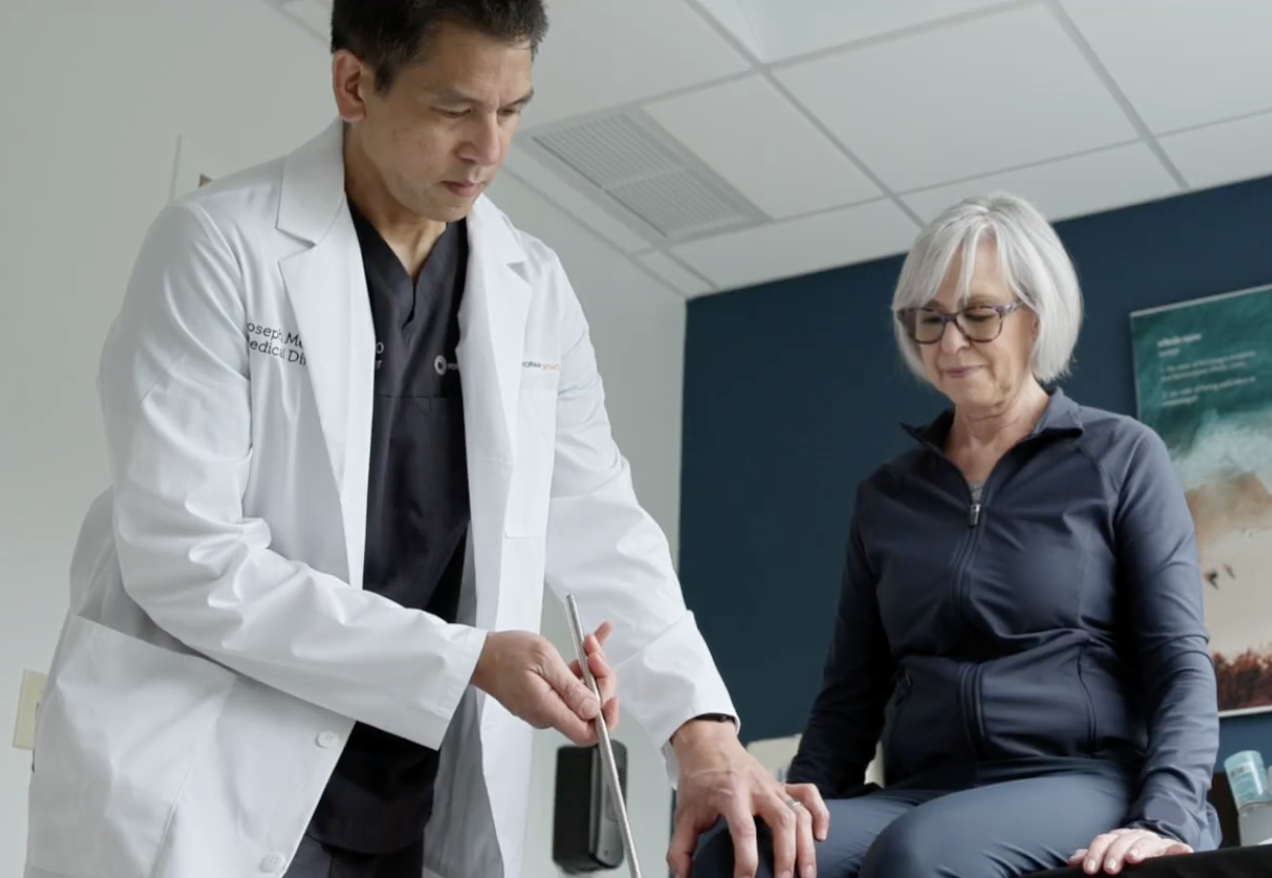
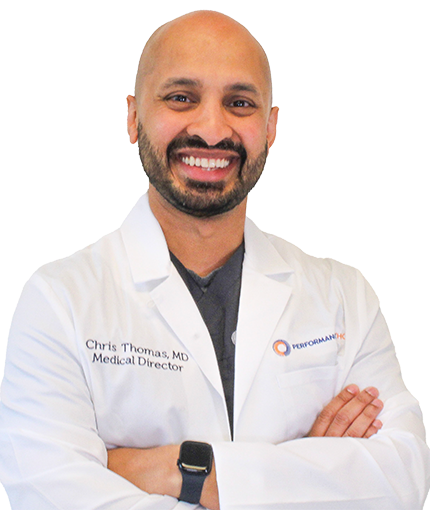
Our Knee Preservation Experts
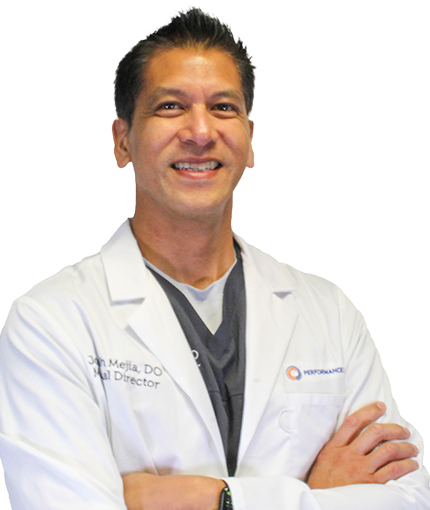
Dr. Joseph Mejia, DO, FAAPM&R, RMSK
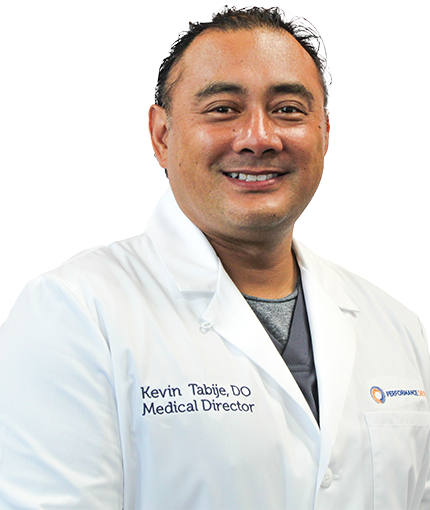
Dr. Kevin Tabije, DO, FAAPM&R
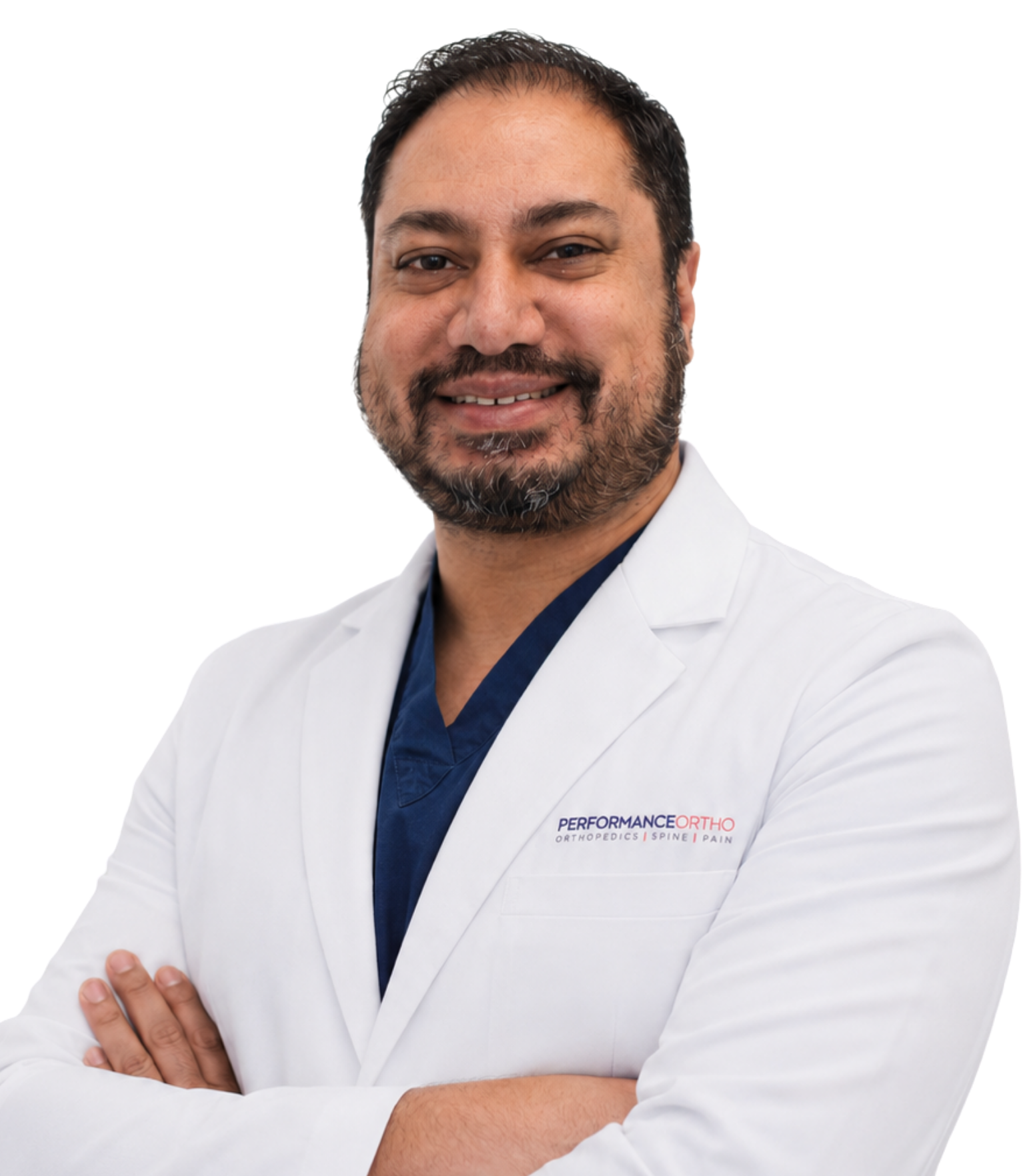
Dr. Ajaz Siddiqui, MD, DABA, DABPM
What our Patients are Saying



Frequently Asked Questions
Is it possible to regrow knee cartilage?
The knee has a limited ability to fully regenerate cartilage on its own, but regenerative therapies, including Platelet Rich Plasma (PRP) and stem cell-based treatments, can support tissue repair, reduce inflammation, and improve joint function. The goal is to preserve what remains and support your body’s ability to heal. How well this works depends on the extent of cartilage damage and how early treatment begins.
How well does knee preservation work compared to knee replacement?
For patients with mild to moderate joint damage, knee preservation often delivers meaningful, lasting improvement without the recovery demands of a knee replacement. Outcomes depend on the extent of damage, how early treatment begins, and how closely the plan is followed. Most of our patients experience significant improvement in pain and function. If preservation isn’t the right fit, we’ll let you know. No wasted time, no wasted resources.
How long does the Knee Preservation Program take?
Timelines vary highly by individual and the severity of the joint issue. Phase 1 (Pain Reduction) often yields results within weeks. Regenerative therapies in phase 2 and structured physical therapy in phase 3 involve biological healing and biomechanical strengthening, which can take one to two months of guided care to fully achieve.
When is knee replacement necessary?
Knee replacement is typically considered when joint damage is severe, cartilage is significantly or fully gone, and conservative treatments are no longer providing relief. Most patients have more options than they realize before reaching that point. For a full breakdown, read our blog post.
Does insurance cover knee preservation treatments?
Coverage for knee preservation treatments varies depending on your specific insurance plan and benefits. That’s why our team takes a proactive, patient-first approach.
Before your visit, our dedicated verification team carefully reviews your insurance to understand exactly what’s covered. We’ll walk you through your benefits, explain any out-of-pocket costs, and answer your questions, so there are no surprises.
Ready to get started? Book an appointment or call us at 908-756-2424.
Our Locations
Our Knee Preservation Program serves patients across Somerset County, NJ and the surrounding communities. Find the location most convenient for you:
HILLSBOROUGH
105 Raider Blvd, Ste 201
Hillsborough Township, NJ 08844
Take the next step towards feeling like yourself again
Take your free knee pain assessment or schedule your consultation today and discover your non-surgical options for joint preservation.