
Best Exercises for Lower Back Pain Relief
By Dr. Joseph Mejia, DO, FAAPMR
Medical Director, Performance Ortho
Lower back pain is one of the most common reasons adults seek orthopedic care, and it’s been one of the main ailments we’ve aimed to treat at Performance Ortho for over 25 years. But here’s the part many people get wrong: not all exercise is helpful. In fact, the wrong movements can make your pain worse.
The good news? Movement is often part of the solution when done correctly and intentionally.
In this guide, you’ll learn which exercises our team commonly recommends, what to avoid, and when it’s time to seek professional evaluation for back pain treatment in NJ.
Top Physical Therapy–Approved Exercises for Lower Back Pain
At Performance Ortho, we emphasize stability, mobility, and controlled strength to promote long-term lumbar health. These foundational exercises are often recommended in physical therapy programs for lower back pain, among other interventions. At Performance Ortho, physical therapy is almost always a piece of your customized treatment plan; part of our mission to ensure each patient is receiving personalized, root-cause care for chronic pain.
Pelvic Tilts
Gentle activation of the deep core muscles helps stabilize the spine and reduce strain.
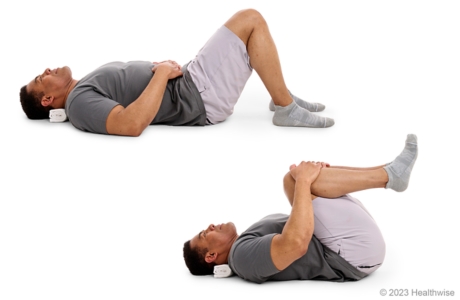
Knee-to-Chest Stretch
This stretch can relieve tension in the lower lumbar spine and surrounding muscles.
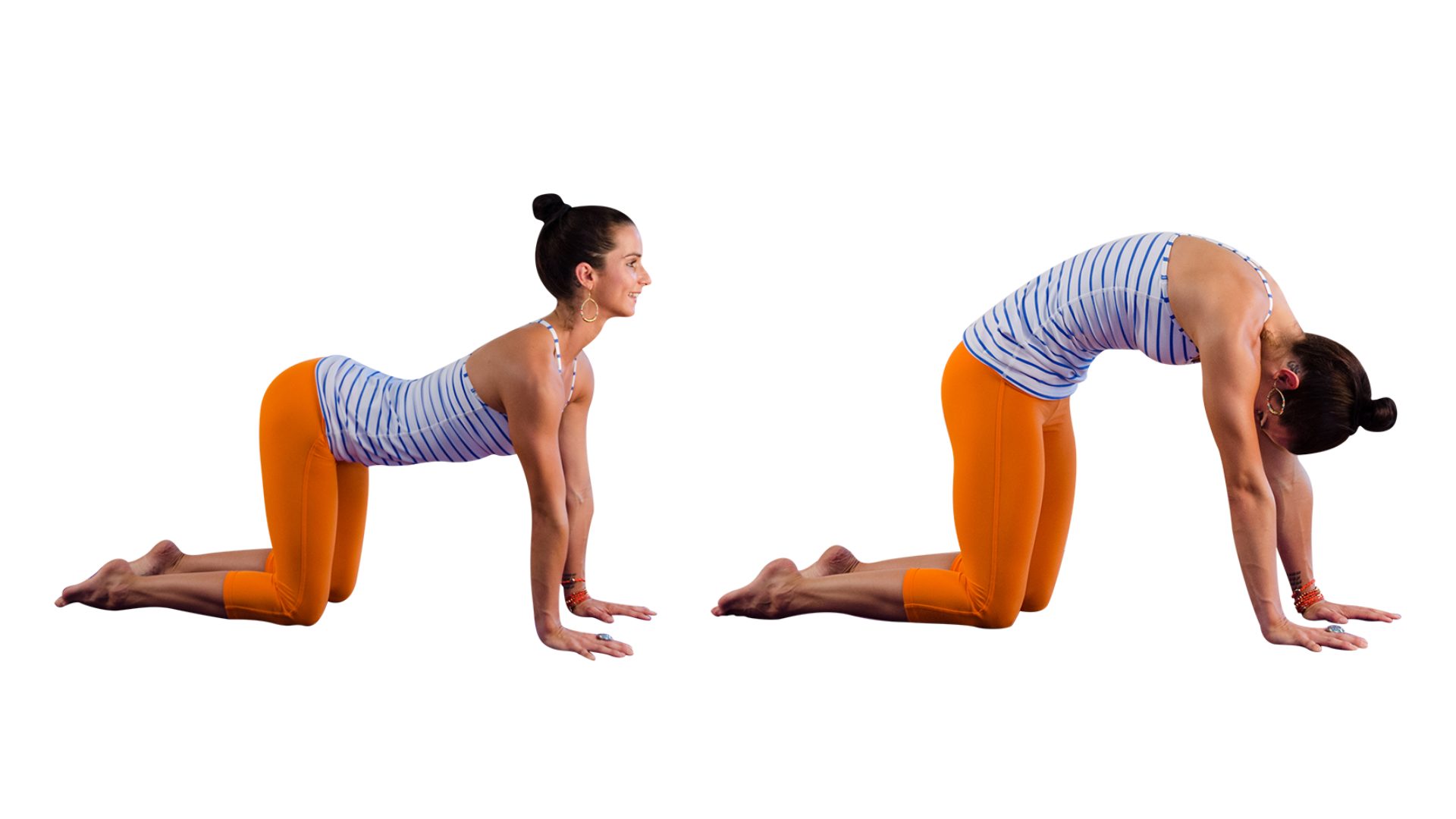
Cat-Cow Stretch
Improves spinal mobility and promotes healthy movement patterns through flexion and extension.
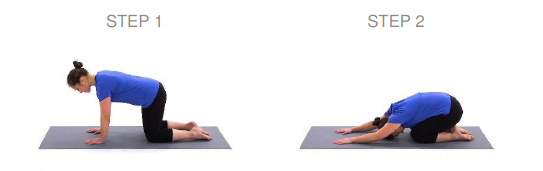
Child’s Pose
Encourages decompression of the lower back while promoting relaxation.
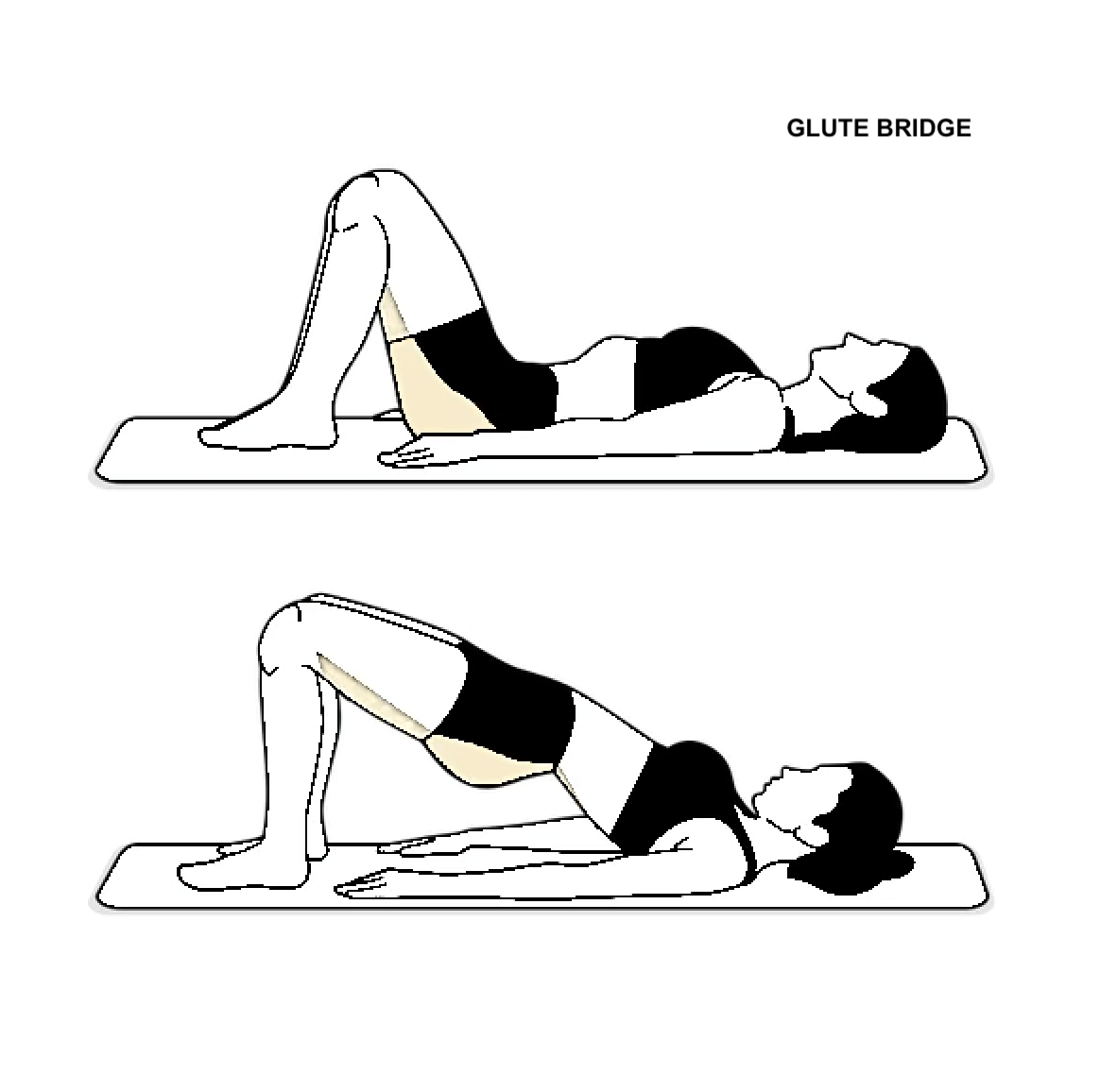
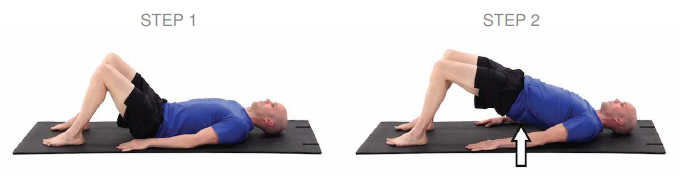
Glute Bridges
Strengthening the glutes reduces excessive load on the lumbar spine during daily activities.
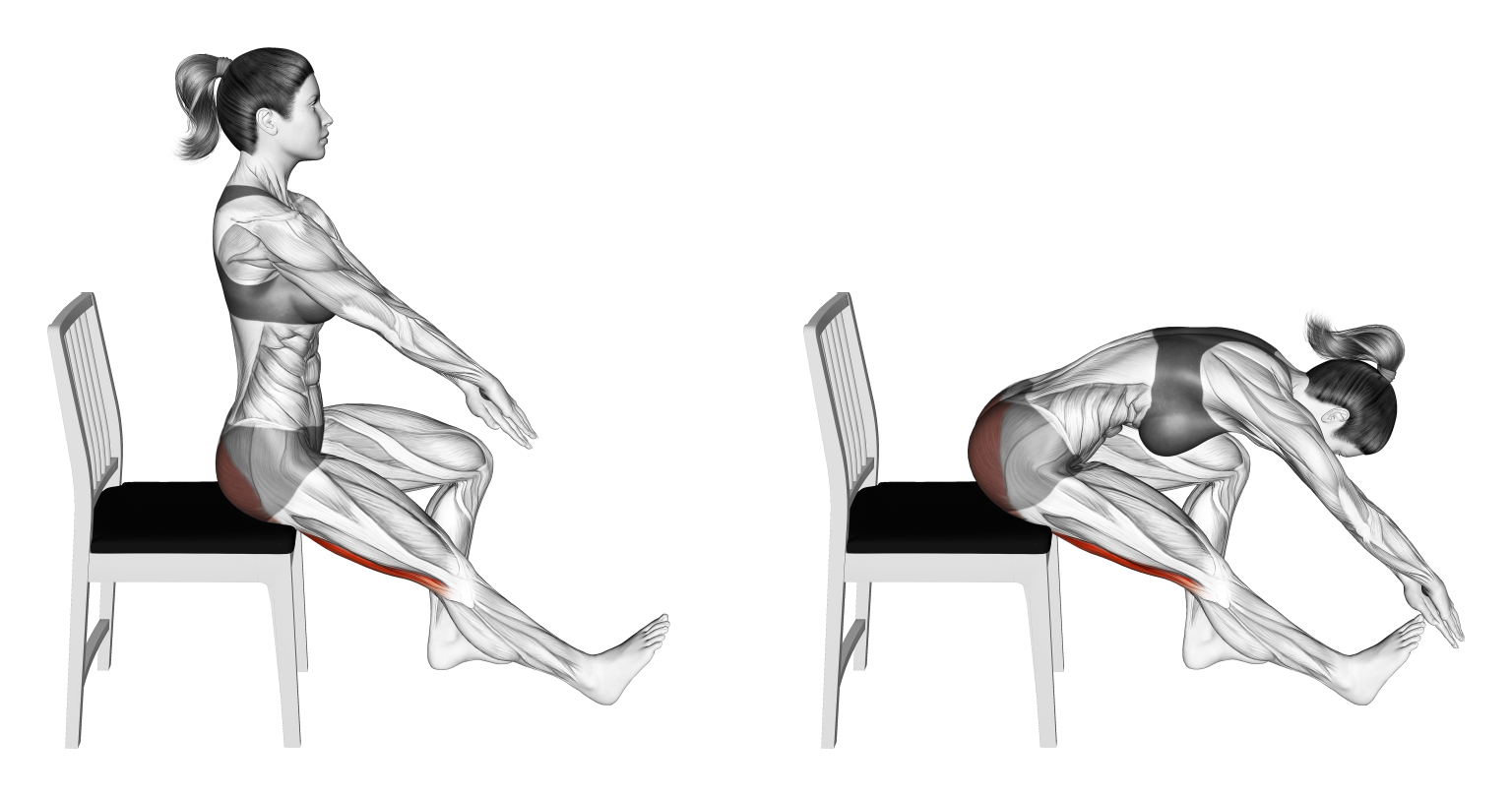
Seated Hamstring Stretch
Tight hamstrings often contribute to low back strain. Gentle stretching can reduce that pull on the pelvis.
“Lower back pain is rarely just about the back itself,” says Dr. Joseph Mejia, Medical Director of Performance Ortho. “It’s often a combination of core weakness, mobility limitations, and muscle imbalances. Targeted exercise corrects those underlying issues instead of masking symptoms.”
How Often Should You Do These Exercises?
In general, consistency matters more than intensity.
For most patients, performing these exercises 3–5 times per week is appropriate. The goal is controlled, pain-free movement. If an exercise increases sharp pain, radiating symptoms, or discomfort that lingers, it should be modified or paused.
A personalized program tailored to your specific pain points and long-term goals always produces better results than a generic routine. That’s why evaluation from a Performance Ortho specialist matters.
Common Mistakes That Make Back Pain Worse
Many people unintentionally aggravate their symptoms by:
- Jumping into high-impact workouts too quickly
- Performing exercises with poor form
- Ignoring core activation
- Stretching aggressively without stability or core exercise
- “Pushing through” or ignoring pain
Lower back pain should not be treated as something to power through. Smart progression and targeted treatment beats brute force every time.
When Exercises Aren’t Enough
While exercise is powerful, it often is not sufficient on its own.
You should seek evaluation at Performance Ortho if you experience:
- Pain lasting longer than 1–2 weeks or keeps returning
- Symptoms affecting sleep, work, or workouts
- Numbness, tingling, or weakness
- A history of disc issues or prior back injuries
“We don’t guess with spine pain,” says Dr. Mejia. “At Performance Ortho, we identify the true pain generator first. That allows us to design a treatment plan that restores function without unnecessary surgery.”
What to Do If Your Back Hurts After Working Out
If it’s Soreness
Normal muscle soreness typically improves within 48–72 hours. You can:
- Continue light movement or walking
- Perform gentle stretching
- Stay hydrated
- Focus on active recovery workouts
If You Suspect an Injury
If pain is sharp, persistent, or radiating:
- Stop aggravating movements
- Avoid pushing through pain
- Modify training intensity
- Seek early evaluation
Early intervention is the number 1 factor keeping minor issues from becoming chronic spine problems.
When to See a Specialist
Schedule an evaluation with a Performance Ortho specialist if you notice pain that persists or interferes with daily life or sleep. Ensure you monitor weakness, numbness, or tingling in your low back and extremities as well. If you have prior back injury history, be extra alert, as recurring ailments can likely return more severely.
Our team evaluates the full picture, including diagnostic imaging when appropriate, as well as lifestyle factors, patient history and long-term health goals. Treatment options may include:
We prioritize non-surgical solutions whenever possible, helping patients regain strength and confidence in their movement.
Contact Performance Ortho for More Information
Are you or a loved one suffering from back pain and seeking non-surgical alternatives? Contact our NJ ortho clinics in Branchburg, Somerset, Watchung, or Hillsborough. Our compassionate team and their expertise are here to help you through every step of your journey towards relief.
Frequently Asked Questions
There is no single “best” exercise. A combination of core stabilization, glute strengthening, and gentle mobility work typically provides the most benefit. An evaluation ensures the program matches your diagnosis.
Pain lasting more than a week, radiating symptoms, weakness, or pain that disrupts sleep may indicate something beyond muscle soreness and should be evaluated by a specialist.
Exercise cannot “heal” a disc structurally, but it can significantly reduce symptoms by improving spinal stability and reducing nerve irritation. Many patients avoid surgery through structured rehabilitation and targeted interventional care.